

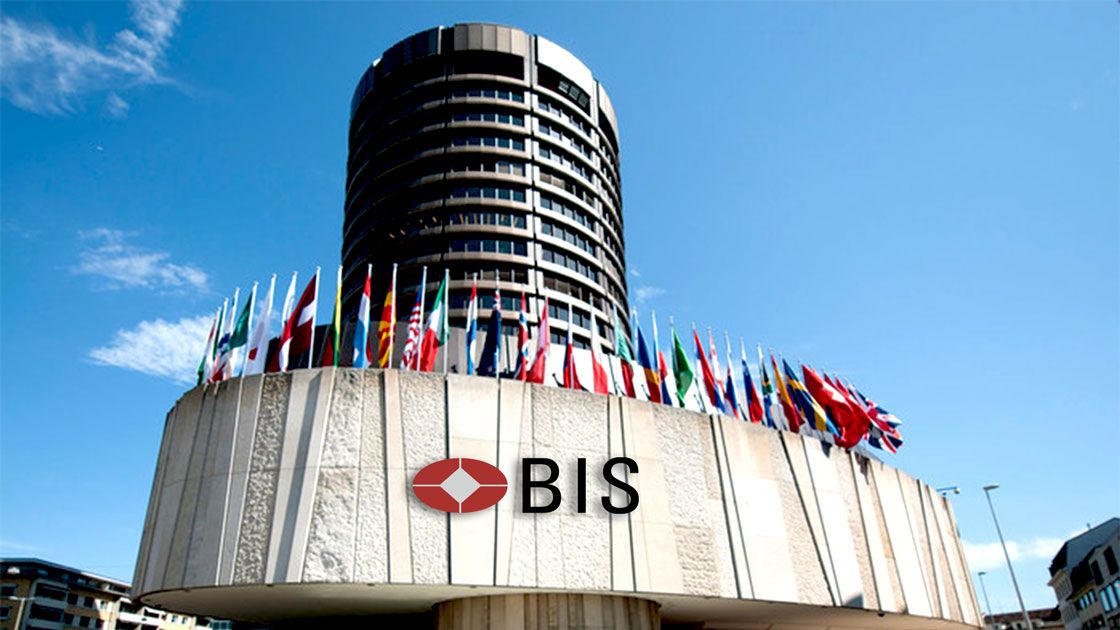
The Bank for International Settlements (BIS) confirmed on 30 July 2026 that Project Agorá completed real-value testing, with JPMorgan, Citi, UBS and 25 other private sector institutions joining five central banks to settle roughly CHF 800,000 in live cross-border payments using tokenized central bank reserves and commercial bank deposits.
The live run carries Agorá past the prototype stage the project reached in its 27 May findings report, putting real money on a shared programmable ledger for the first time and moving beyond the simulated flows of earlier rounds. Convened by the BIS and the Institute of International Finance, the initiative tests whether tokenized reserves and deposits can settle wholesale cross-border payments faster and with more transparency than the correspondent banking chains banks depend on now.
Agorá Moves Real Money Across Borders
The test settled about CHF 800,000, close to $1 million, across 17 transaction scenarios and several currencies, with individual values running from CHF 9,000 to CHF 125,000 or local equivalents. Issued tokens carried real monetary value representing central bank reserves and commercial bank deposits, and the scenarios spanned corporate and interbank single- and dual-currency payments, payment-versus-payment transactions and intragroup bank transfers.
Payments settled in about 80 seconds on average even though the prototype was not wired into participants’ real-time gross settlement or core banking systems, a gap that would normally stretch settlement into hours or days. Institutions pointed to the end-to-end visibility of payment status and routing as a practical gain over today’s fragmented tracking. JPMorgan, Ripple and Mastercard reached a comparable milestone earlier this year by completing a cross-border tokenized Treasury pilot that linked public blockchain rails to interbank settlement.
Agorá Works With Existing Rails
The prototype connected to central banks’ RTGS systems and participants’ core banking platforms through ISO 20022 messaging standards such as pacs.008, pacs.009 and camt.053, the same formats banks already run for payments and reporting. Building on those established standards let tokenized settlement sit alongside legacy infrastructure without forcing a rip-and-replace, a hurdle that has slowed earlier blockchain payment efforts. Lenders that already operate tokenized deposit systems, including the platforms behind JPM Coin and Citi Token Services, brought live settlement experience into the exercise.
Around 250 staff across payments, compliance, risk and legal teams took part, with SIX acting as operational facilitator and Kaleido supplying the technology. Five central banks issued and redeemed tokenized reserves while the private sector institutions handled tokenized deposits, mirroring the split between central bank money and commercial bank money in the existing system. The May findings report had already established that settlement finality holds across all seven participating jurisdictions and that tokenisation leaves the legal status of reserves and deposits unchanged, groundwork this live test built on.
The Agorá results arrive as the same banks accelerate tokenization programmes of their own across deposits, bonds and cross-border rails. JPMorgan, Bank of America and Citi are preparing a shared tokenized deposit network aimed at 2027 for corporate treasury and cross-border use, while Hong Kong has tapped JPMorgan, HSBC and UBS to turn tokenized bonds into a repeatable market.